Best overall: multi-room decluttering; best for a moving deadline: move-out leftovers; best for outdoor work: yard debris, after confirming the materials. Liftloadhaul dump trailer delivery is best for property owners who can load their own approved items.
- The best dump trailer uses are projects with approved materials, clear access and manageable self-loading.
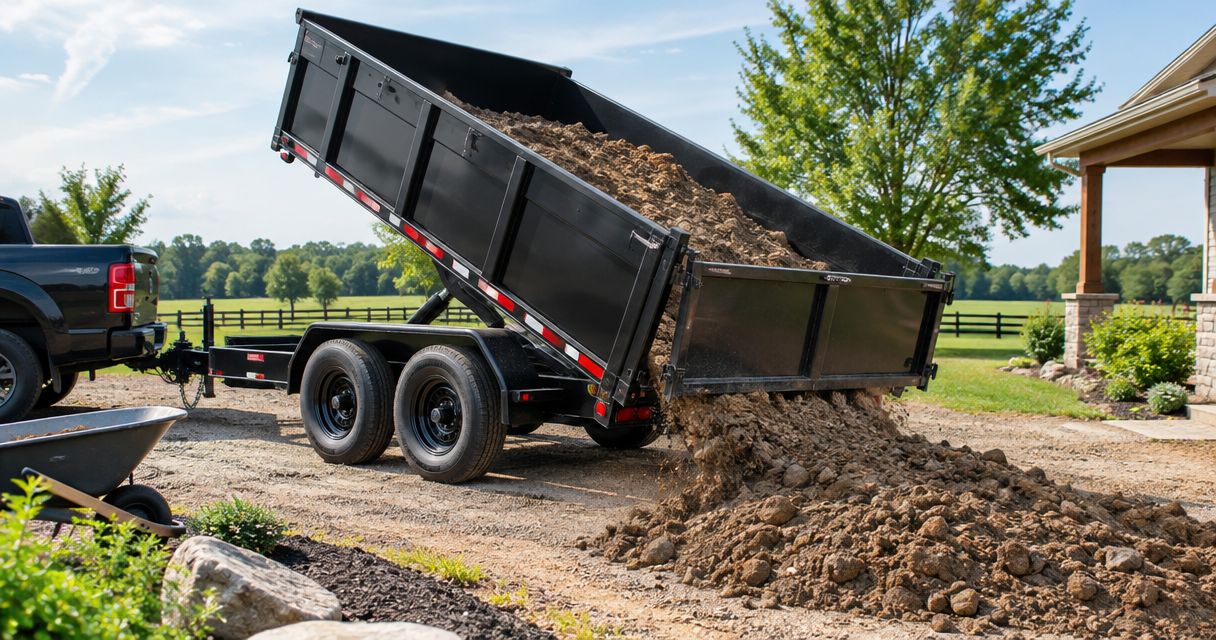
- Liftloadhaul drops the dump trailer, you fill it, and the company hauls it away.
- Choose multi-room decluttering for a defined household project; choose move-out leftovers when removal must fit a moving schedule.
- Confirm yard debris and mixed materials before scheduling; do not assume every outdoor load is accepted.
- Request a free estimate with photos of the items, loading route and proposed trailer placement.
Why the project matters more than the pile
A delivered dump trailer gives you a place to load items while you work through a defined property project. It does not solve difficult lifting, sorting decisions or blocked access. Choose a use that matches the work you can safely do yourself.
For a 2026 property project in Lakeland or elsewhere in Polk County, start with the material and the route from its current location to the proposed loading area. A small collection upstairs can require more preparation than a larger collection beside an accessible driveway.
Before requesting delivery, review what photos help you get a same-day junk removal estimate. Include the items and their surroundings, not just close-ups that hide stairs, doorways or the distance to the loading area.
What makes the best dump trailer uses
Use these criteria to choose a project before arranging delivery:
- Defined scope: You know which rooms, storage areas or piles belong in the job.
- Confirmed materials: You have described the contents and confirmed what can go into the trailer.
- Manageable loading: You can handle the approved items without taking on unsafe lifting or awkward carries.
- Usable access: You have shown the proposed placement area and the route between the items and trailer.
- Realistic timing: Your sorting, loading and pickup arrangements fit the actual project schedule.
- Clear separation: Keep items, uncertain materials and the removal pile stay distinct.
For your 2026 estimate request, describe any unfinished sorting. A trailer intended for unwanted household contents should not become the place where you decide whether to keep family paperwork or tools you still use.
Dump trailer uses at a glance
| Rank and project | Best for | Standout advantage | Key limitation |
|---|---|---|---|
| 1. Multi-room decluttering | A defined household project | Combines approved unwanted contents from several rooms | Unfinished sorting slows loading |
| 2. Move-out leftovers | Removal tied to a moving deadline | Keeps remaining unwanted items separate from the move | Delivery and pickup need coordinated timing |
| 3. Yard debris gathering | An outdoor cleanup | Collects confirmed materials near the work area | Material acceptance must be checked first |
| 4. Small outbuilding contents | A shed or detached storage space | Gives one contained area a clear finish point | Stored chemicals and unknown contents need separate decisions |
| 5. Seasonal storage reset | Rotating stored belongings | Removes unwanted items during a planned storage change | A small removal pile does not automatically justify delivery |
The ranking separates different jobs rather than treating every pile as the same project. Multi-room decluttering is the default because it has a clear purpose: remove already-selected household contents while keeping everything else in place.
1. Multi-room decluttering: best for a defined household project
Multi-room decluttering brings approved unwanted items from different parts of your home into one removal project. You decide what leaves, move it along the agreed loading route and fill the delivered trailer yourself.
This use fits a household that has already made its keep-or-remove decisions. It is less suitable when every room still contains unresolved belongings, because the trailer cannot replace the sorting process.
For a 2026 household reset, define the rooms included before requesting an estimate. Show the largest items and explain whether anything must pass through a narrow doorway or down stairs.
Multi-room decluttering pros:
- Gives several rooms a shared removal plan.
- Keeps the project focused on items already selected to leave.
- Lets you organize loading around the agreed delivery and pickup arrangements.
Multi-room decluttering cons:
- You remain responsible for self-loading.
- Unsorted belongings can interrupt the work.
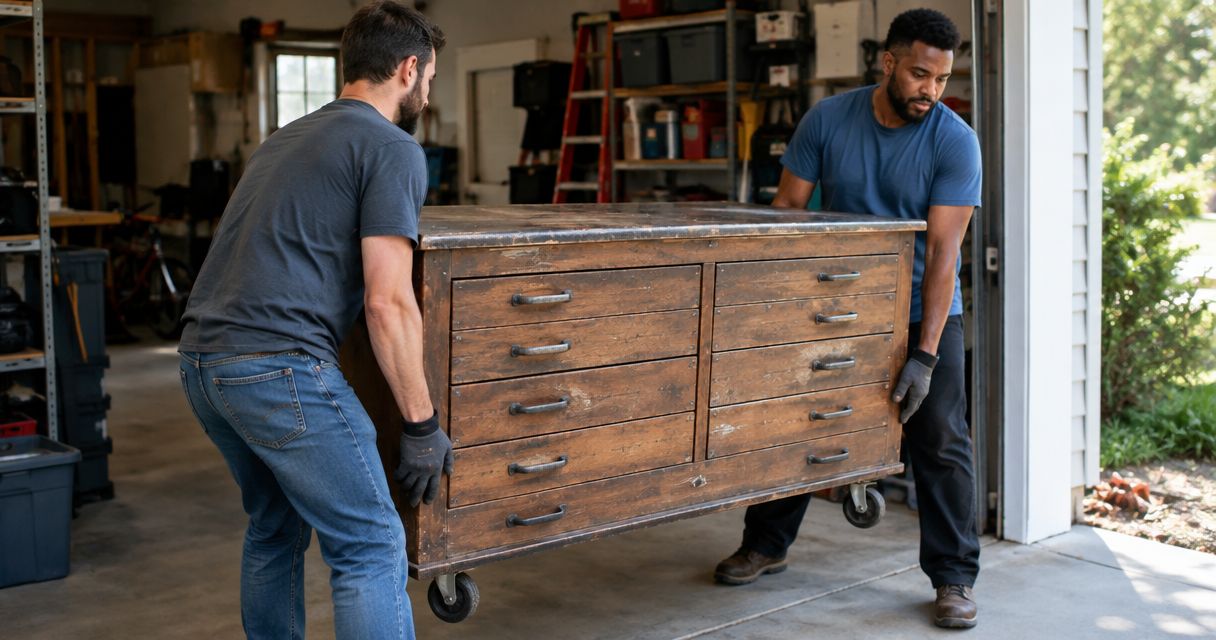
- Awkward furniture can make an otherwise straightforward project unsuitable for self-loading.
Best for: Property owners clearing unwanted household contents from several defined areas.
Verdict: Buy this option when the sorting is complete and the approved items are manageable to load; skip it when heavy lifting is the main problem.
2. Move-out leftovers: best for a moving deadline
Move-out leftovers are the unwanted items that remain after you have identified what travels to the next property. A delivered trailer can give those leftovers a separate destination instead of letting them get mixed into packed boxes.
The important distinction is between moving and removal. Label belongings that stay, travel or leave before loading starts, especially when several people are helping.
If you are moving in 2026, work backward from the actual handover date. Confirm delivery and pickup arrangements rather than assuming the trailer can arrive or leave whenever the moving crew finishes.
Move-out leftovers pros:
- Separates unwanted contents from packed belongings.
- Gives the final removal stage a specific scope.
- Helps you check cleared areas before leaving the property.
Move-out leftovers cons:
- A fixed moving deadline leaves less room for unfinished decisions.
- Last-minute additions can change the described load.
- The trailer placement must not block the moving route.
Best for: People with an identified removal pile and a coordinated move-out schedule.
Verdict: Buy this option after you have separated the leftovers and confirmed timing; skip it when the move still depends on unresolved sorting.
3. Yard debris gathering: best for an outdoor cleanup
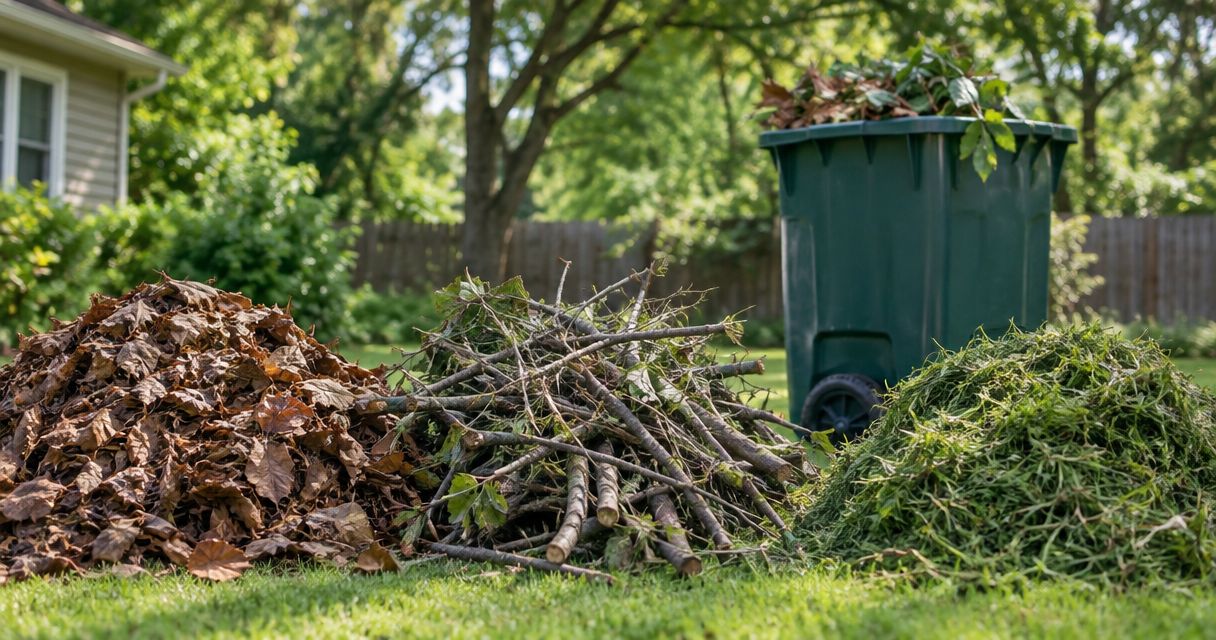
Yard debris gathering puts the loading task near the outdoor work rather than spreading piles across the property. Describe exactly what the project produces before arranging delivery: branches, leaves and other materials are not interchangeable descriptions.
Do not treat a delivered trailer as permission to load every material found outside. Ask about each material category, particularly when the cleanup also exposes old containers, discarded household objects or unknown debris.
Yard debris gathering pros:
- Keeps the removal project connected to the outdoor work area.
- Gives approved debris a designated loading destination.
- Makes it easier to distinguish the removal pile from tools and supplies you are keeping.
Yard debris gathering cons:
- Material acceptance needs confirmation before loading.
- Uneven ground and long carrying routes complicate preparation.
- Large or awkward pieces can exceed what you can safely handle yourself.
Best for: Property owners gathering specifically approved yard materials along a workable loading route.
Verdict: Buy this option for a confirmed outdoor load; hold the booking while material questions or placement questions remain unresolved.
4. Small outbuilding contents: best for one contained storage area
Clearing the contents of a shed or detached storage space gives the project a physical boundary. The goal is to remove selected stored belongings, not demolish the building or assume its structural materials belong in the same load.
Open containers and identify their contents before adding them to a removal list. Keep uncertain materials out of the loading pile until you have described them and received direction.
Small outbuilding contents pros:
- Provides a clear start and finish area.
- Keeps the task focused on contents rather than the whole property.
- Lets you separate retained tools and equipment before delivery.
Small outbuilding contents cons:
- Forgotten containers can introduce materials you have not discussed.
- A narrow path can make loading awkward.
- Heavy equipment requires its own handling decision.
Best for: Property owners emptying one identified outbuilding of approved, manageable contents.
Verdict: Buy this option for stored belongings with a clear loading route; skip treating building removal or unknown containers as automatic additions.
5. Seasonal storage reset: best for rotating stored belongings
A seasonal storage reset removes unwanted belongings while you reorganize what stays. Examples include damaged storage containers, retired decorations and miscellaneous household items, subject to material confirmation.
This use is about a planned change, not emptying an entire room. Finish the selection first so you can describe the actual removal pile rather than everything currently in storage.
Seasonal storage reset pros:
- Pairs removal with a task you are already completing.
- Keeps retained seasonal belongings separate from unwanted items.
- Produces a defined list for the estimate request.
Seasonal storage reset cons:
- The final removal pile can be much smaller than the stored collection.
- Premature loading risks discarding belongings you still need.
- Delivery does not replace careful sorting.
Best for: Households with a substantial, identified removal project during a storage change.
Verdict: Hold until sorting is finished; buy only after the actual load and delivery arrangements fit the project.
Prepare the job before requesting delivery
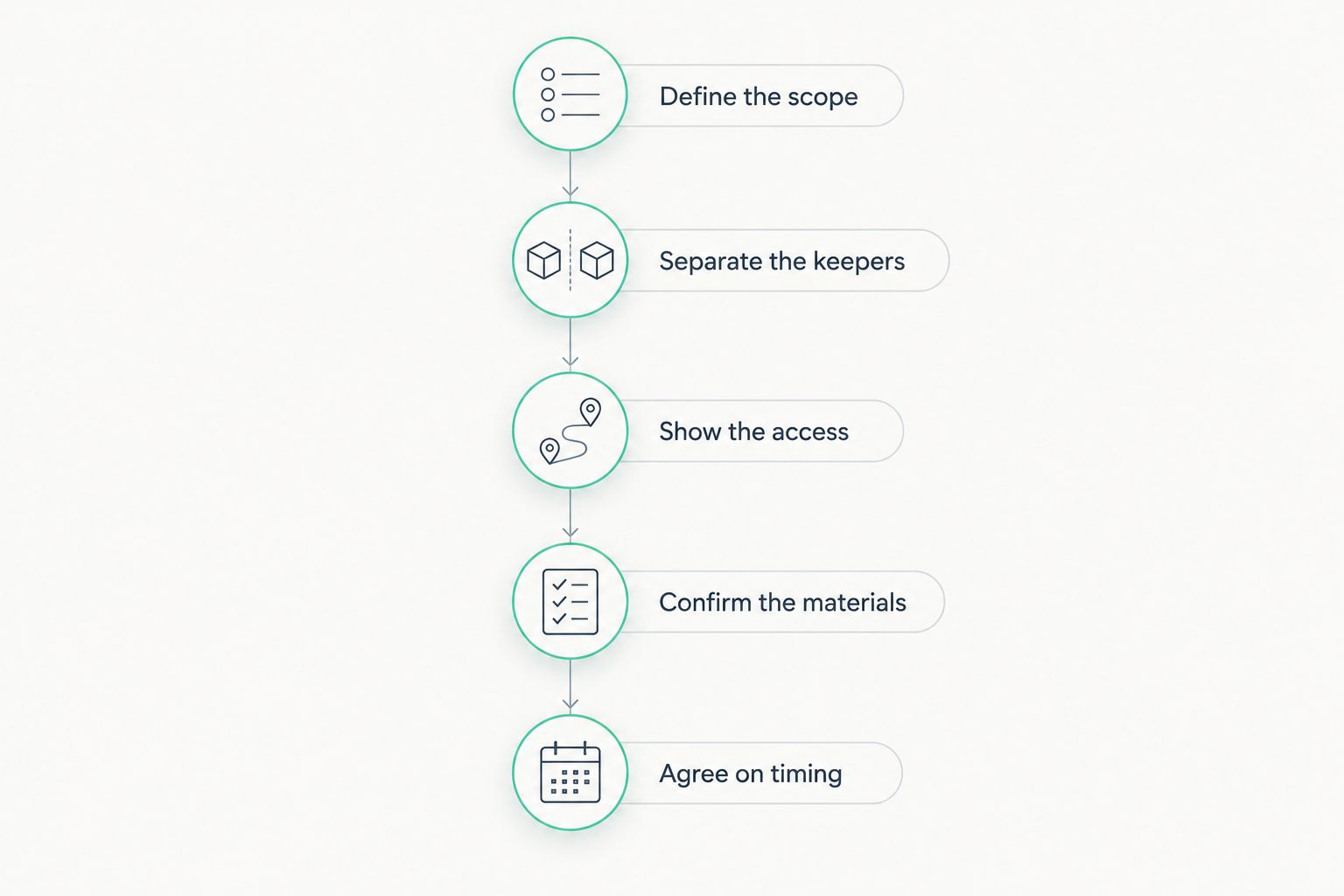
Use this sequence to turn a possible project into a useful estimate request. Liftloadhaul dump trailer delivery follows a simple division of work: the company drops it, you fill it, and the company hauls it away.
Define the scope
Write down the areas included and identify the biggest items. Explain whether the project covers loose household contents, yard materials or another specific category. Do not substitute a vague description such as mixed junk for details about the load.
Separate the keepers
Create distinct keep and remove groups before loading. Put documents, valuables and belongings that need another person's decision outside the removal group. This is particularly useful when family members or helpers are working in different areas.
Show the access
Photograph the proposed placement area and the full route from the items. Include gates, steps, tight corners and anything that obstructs the approach. Show the driveway as it will be on delivery day, not with vehicles or equipment omitted from the description.
Confirm the materials
Ask what can be loaded and what instructions apply to your project. Mention uncertain items separately. Do not infer load limits, accepted heavy materials or loading rules from the trailer's appearance.
Agree on timing
Discuss delivery and haul-away alongside your own loading plan. Same-day or next-day service is offered, but it is not a guaranteed time slot. If your project has a hard deadline, state that deadline when requesting the estimate.
Request an estimate that matches the actual job
Send photos of the whole removal area, the largest items and the loading route. State who will load the trailer and whether sorting is finished. Explain any deadline or access condition that changes how the job must be arranged.
Request a free estimate from Liftloadhaul or call (352) 835-2694 to discuss the project. A clear description gives the conversation a concrete starting point; requesting an estimate does not itself confirm a delivery appointment.
Before agreeing to delivery, make sure you understand the loading instructions, the materials included and the haul-away arrangements. If you cannot safely load the items yourself, say so rather than booking around an assumption that someone else will do the lifting.
How these uses were ranked
These recommendations prioritize defined scope, confirmed materials, manageable loading, usable access and coordinated timing. They are project-fit recommendations, not claims about trailer capacity or measured performance.
Multi-room decluttering ranks first for an undecided homeowner because it starts with selected unwanted contents and a clear household objective. The other uses win when a moving deadline, outdoor work, a contained outbuilding or a storage change defines the job.
Which dump trailer use should you choose?
Choose multi-room decluttering as the default when your approved items are sorted and you can load them safely. Choose the more specific use when the project's deadline or location changes the preparation you need.
For your 2026 project, do not book around the pile alone. Decide who is loading, show the access and confirm the material list first. Those decisions determine whether trailer delivery fits the job you actually have.
FAQ
What are the best dump trailer uses around a property?
The best dump trailer uses are defined self-loading projects with confirmed materials and workable access. Multi-room decluttering is the default; move-out leftovers, yard debris, outbuilding contents and seasonal storage resets fit more specific needs.
Who loads a delivered dump trailer?
The customer loads the delivered dump trailer. Liftloadhaul drops it off and hauls it away, so discuss any difficulty with lifting or carrying before arranging delivery.
Can I use a delivered dump trailer for yard debris?
Confirm the exact yard materials before arranging delivery. Describe the debris and any other items mixed into the project rather than assuming all outdoor materials are accepted.
Is a dump trailer a good choice for move-out leftovers?
A delivered dump trailer fits move-out leftovers when the unwanted items are identified and the timing is coordinated. Keep the removal pile separate from packed belongings and confirm delivery and pickup around the moving schedule.
What should I photograph for a dump trailer estimate?
Photograph the removal pile, largest items, proposed placement area and route between them. Include stairs, gates, tight corners and other access conditions that affect loading.
Can I get same-day dump trailer delivery?
Ask about scheduling for your specific project rather than assuming a same-day slot. Same-day or next-day service is offered, but a delivery time requires confirmation.
What if I cannot safely load the items myself?
Do not choose self-loading trailer delivery for items you cannot handle safely. Describe the lifting problem and ask about a removal service that includes the necessary handling.
One last thing
Photograph the loading route, not just the pile. An estimate conversation needs to account for how the items reach the trailer, including the doorway, steps or gate between them. Do not move a difficult item into the driveway just to make the photo look simpler.